The Floor Layer Nobody Talks About — Until It Fails
Gypsum underlayment has quietly caused more callbacks than almost any other component in multifamily construction. It needs days to cure, it soaks up moisture before the building is dried in, and once it cracks or swells, the flooring above it goes with it. That single layer, sitting between the subfloor and the finish floor, is exactly where a MgO Underlayment Panel earns its place.
Made from magnesium oxide bonded with an integrated mesh core, this panel was built specifically to solve the problems gypsum-based systems create on tight jobsite schedules.
Three Performance Gains That Matter on a Real Jobsite
Fire resistance is the obvious one — the panel is engineered to meet stringent fire-rated standards for floor assemblies, slowing flame spread in multifamily and light-commercial buildings. But two other gains matter just as much day to day.
- Sound control: the panel improves both STC and IIC ratings, which is the difference between a quiet apartment building and one full of noise complaints.
- Dimensional stability: it holds its shape through humidity swings and temperature changes, so floors stay flat months after installation instead of cupping or telegraphing seams through the finish layer.
Installation Speed Without the Wet Trade
Traditional gypsum underlayment is poured wet, then needs time to cure before anyone can walk on it — a delay that stacks up fast across dozens of units. A MgO Underlayment Board installs dry, with standard tools and a single trade, and is reported to go in roughly 30% faster than gypsum-based systems. There's no curing window, no risk of trapped moisture in a structure that isn't dried in yet, and no schedule built around waiting for a slab to set.
That speed compounds with another advantage: the panel can serve as the direct base for flooring, eliminating the gypsum layer altogether rather than just replacing it. Fewer layers means fewer materials to coordinate, fewer trades on site, and a lower total installed cost even though the panel itself isn't the cheapest sheet on the truck.
Where It Actually Gets Used
Apartment complexes and condominiums lean on it for the fire and sound performance code officials and residents both care about. Light-commercial work — offices, retail, schools, hospitals, hotels — uses it wherever fire safety and noise control are part of the spec. And because magnesium oxide doesn't swell or break down in moisture the way gypsum does, it's a natural fit for kitchens, bathrooms, and basements, where ordinary underlayment is the weak point in the whole flooring system.
It also sits comfortably beneath almost any finish floor. Whether the project calls for tile, vinyl, carpet, or wood, the panel provides a flat, stable substrate that won't telegraph movement back up through the finish layer over time.
What to Check Before You Specify It
Not every magnesium oxide product on the market is built the same way, so a few questions are worth asking before ordering:
- Does the panel carry third-party fire and acoustic test reports, not just manufacturer claims?
- Is the mesh core continuous, or does it rely only on surface reinforcement?
- Can the supplier document dimensional stability testing under humidity cycling, not just a one-time spec sheet number?
- What's the actual installed cost once the eliminated gypsum layer and labor savings are factored in?
Asking these questions upfront avoids the most common complaint with underlayment products generally: a panel that performs well in a lab but behaves differently once it's under real foot traffic and seasonal humidity swings.
The Bottom Line for Builders
Underlayment is rarely the glamorous part of a build, but it's load-bearing in every sense that matters — fire safety, sound comfort, and the long-term flatness of the finish floor. A MgO Underlayment Panel addresses all three at once, while cutting installation time and removing a wet trade from the schedule entirely. For multifamily and light-commercial projects where deadlines and call-back rates both matter, that combination is increasingly hard to pass up.




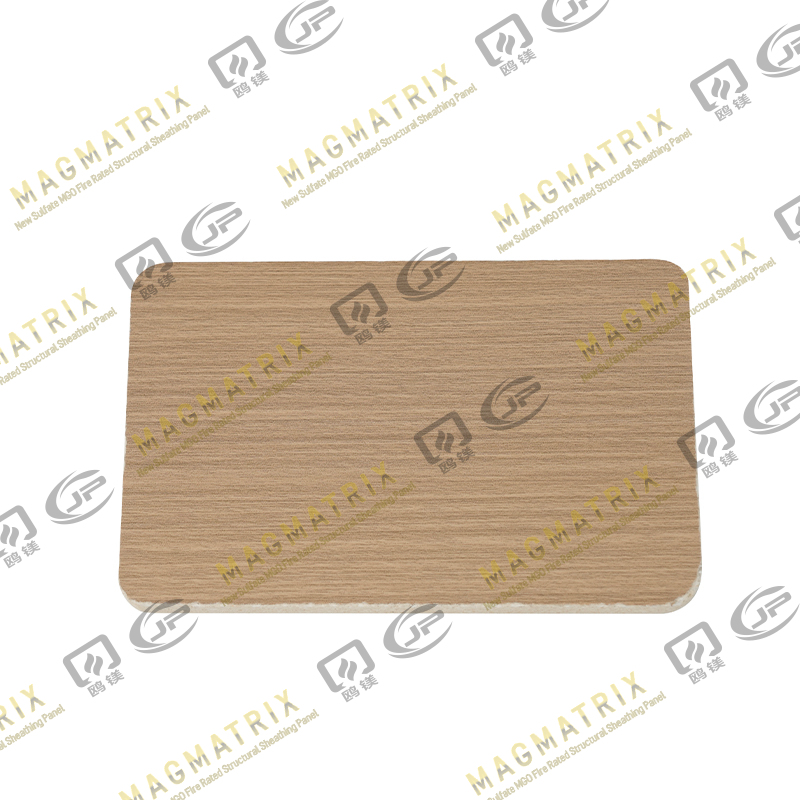
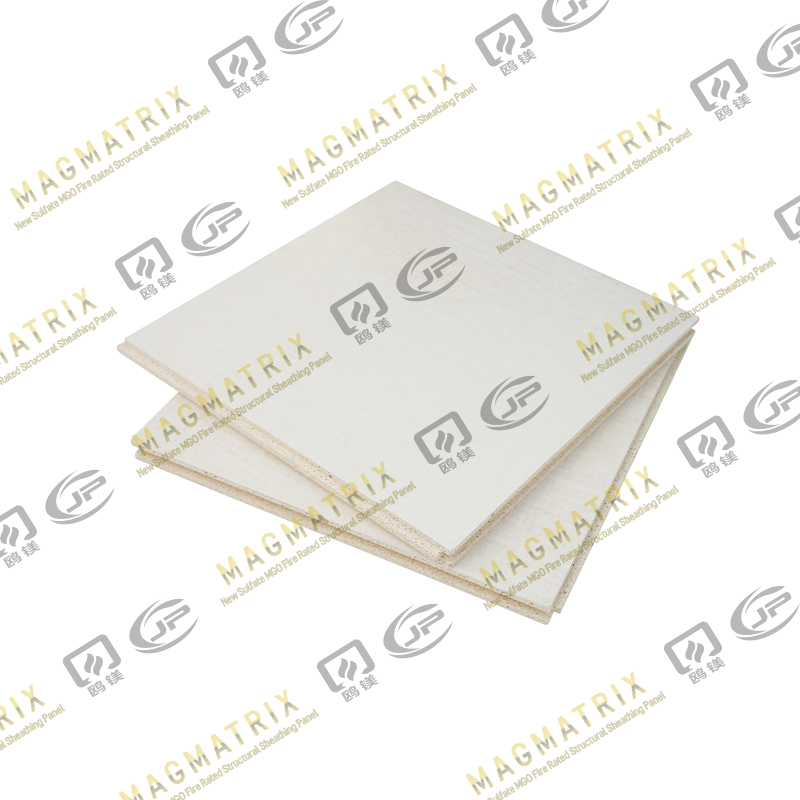
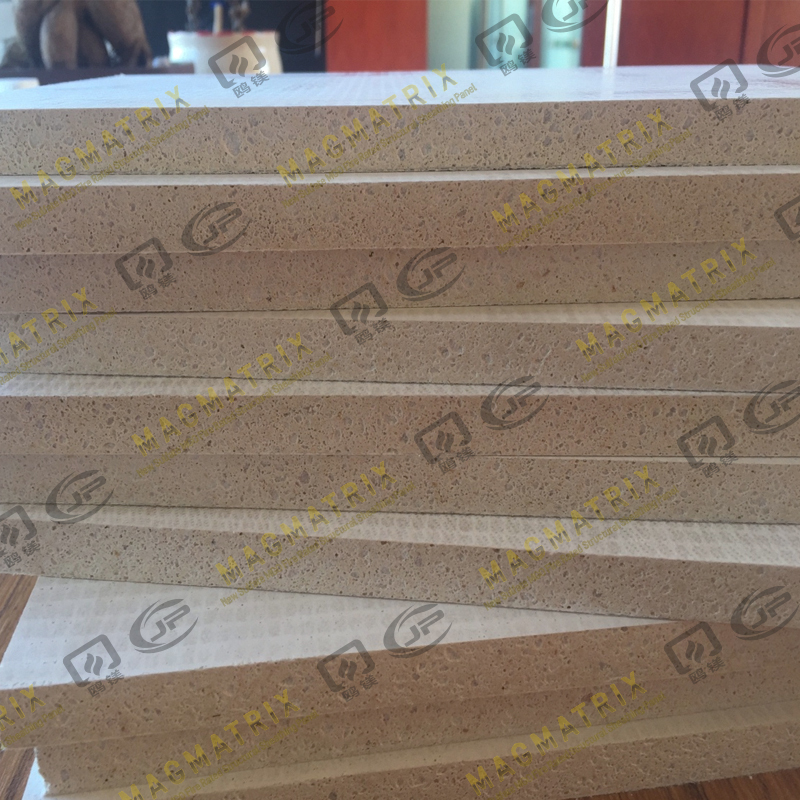 BMSC 517 Nowa tablica MGO siarczanu
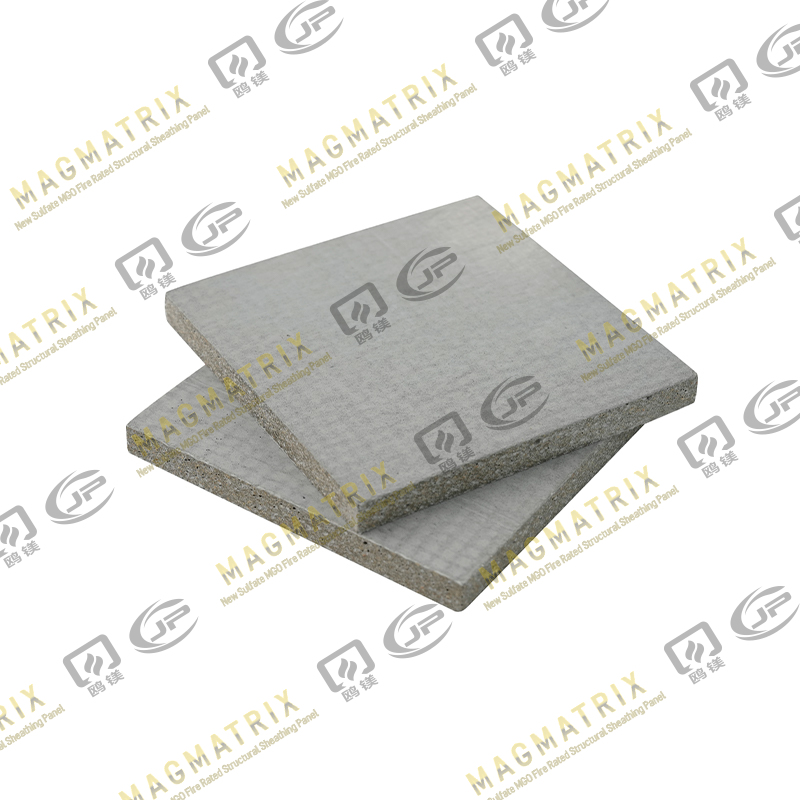 Wieloosobowa deska szarcza MGO
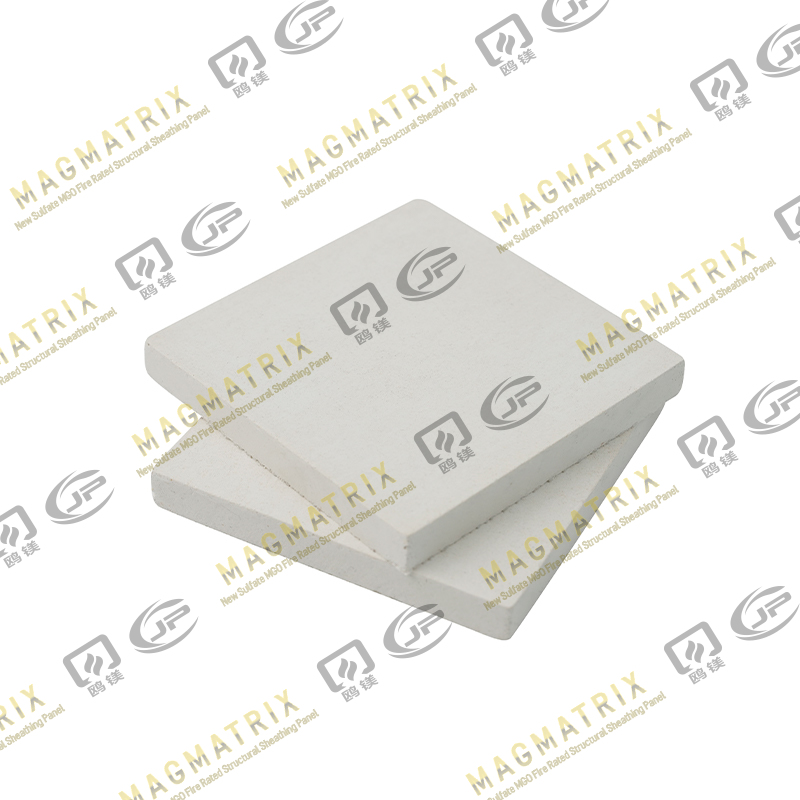 Wytrwałość MGO Ściana
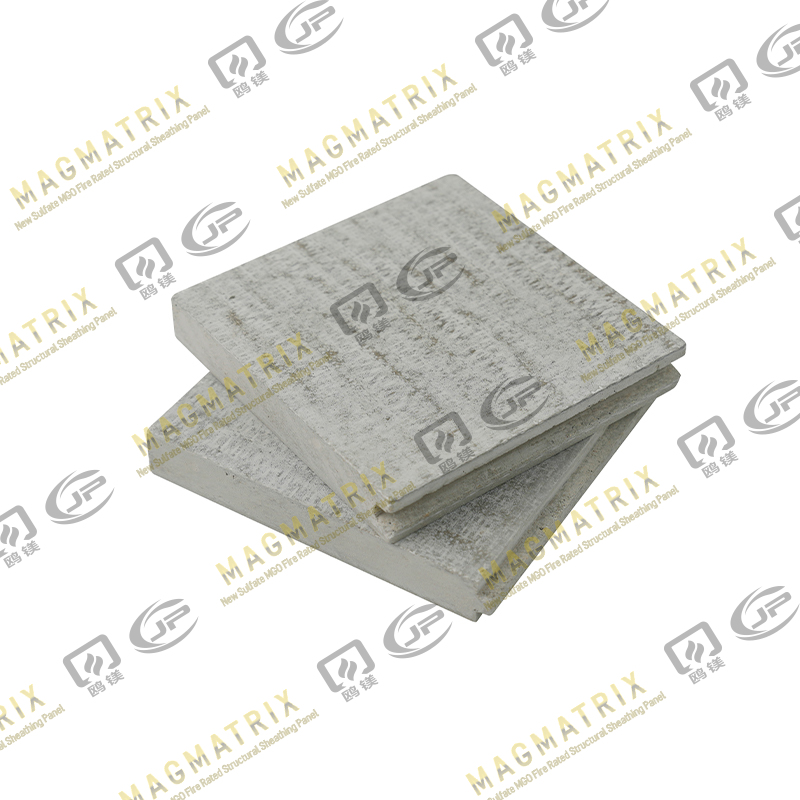 Wieloosobowa deska posądzenia podłogowa MGO
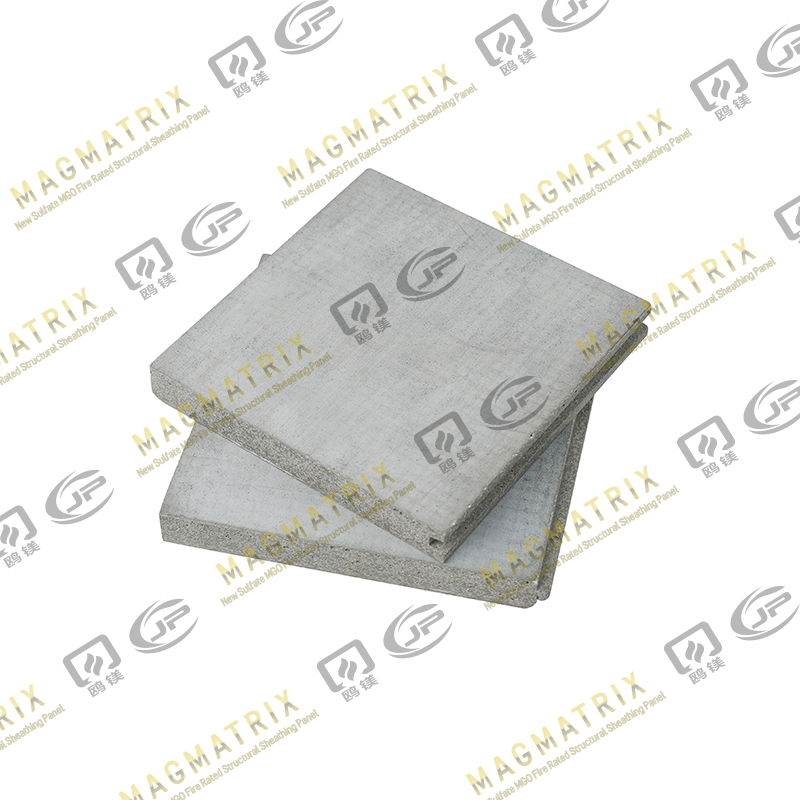 Wytrwałość MGO Subfloor Pasting Deslat
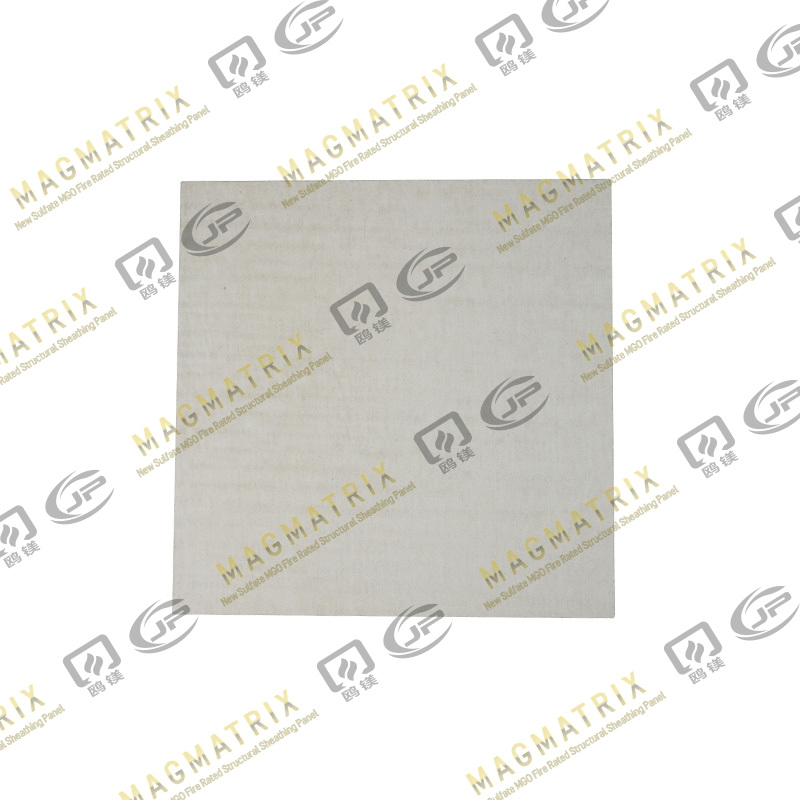 Magmatrix MGO Underplayment Panel/Board